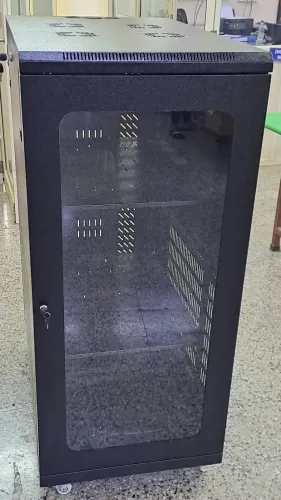
A DCDB, commonly referred to as a DC Distribution Board, forms part of electrical distribution arrangements where DC power needs to be distributed to multiple connected loads. Because requirements vary significantly between applications, selecting a DCDB should be based on documented electrical and installation specifications.
For customers in Pune, Maharashtra working with telecom, industrial or other DC-powered infrastructure, gathering the right information before approaching a manufacturer or supplier can make the selection process more efficient.
Define the Application First
Start by identifying where the DCDB will be used and what equipment it will supply.
Different installations can have very different voltage, current, protection, enclosure and distribution requirements. A product should therefore be evaluated against the actual system rather than selected only by external size or number of outgoing connections.
Document Electrical Requirements
Electrical specifications should be established by appropriately qualified personnel according to the intended system.
Important information can include:
- System voltage
- Expected connected load
- Number of outgoing circuits
- Required protection arrangement
- Input and output connection requirements
- Applicable installation conditions
Accurate information is particularly important because inappropriate electrical specifications can create operational and safety concerns.
Consider Future Expansion
Where the installation is expected to grow, additional distribution requirements may need to be considered during initial planning.
This does not mean unnecessarily oversizing every board. Instead, infrastructure teams should identify realistic expansion plans and determine whether suitable provision should be made.
A clear future-capacity estimate can prevent frequent changes to the distribution arrangement.
Evaluate the Installation Environment
The physical environment also affects product selection.
Consider where the DCDB will be installed, how technicians will access it, what environmental conditions apply and how incoming and outgoing cables will be routed.
An installation in a controlled equipment room may have different enclosure considerations from one used in a more demanding industrial environment.
Review Documentation Before Ordering
Before placing an order, confirm that the proposed configuration corresponds with the submitted requirement.
A useful procurement checklist includes:
- Confirm application and operating conditions.
- Verify electrical specifications.
- Confirm circuit requirements.
- Review physical dimensions.
- Check cable entry and termination needs.
- Review protection requirements.
- Confirm installation and maintenance access.
- Verify applicable technical documentation.
Where any specification is unclear, technical clarification should take place before manufacturing or procurement.
True Power Connect India Private Limited serves infrastructure requirements from Pune and provides products associated with power distribution and IT environments. Customers discussing a DCDB requirement can improve the quality of technical evaluation by sharing complete application and electrical information at the enquiry stage.
The most suitable DC distribution arrangement is determined by the system it must support. A specification-first approach helps ensure that voltage, load, circuits, protection, physical installation and future requirements are considered together rather than making the decision on a single product characteristic.